By Fr. Eugenio Raymundo B. Inocentes III, SDB
The work of administration covers: (a) the introduction and application of sound and effective polices; (b) the design and implementation of efficient methodologies; and, (c) the inspiration, education and training of personnel in performing their responsibilities and tasks. With these comes the need for vigilance in intervening promptly to prevent, if not minimize, problems.
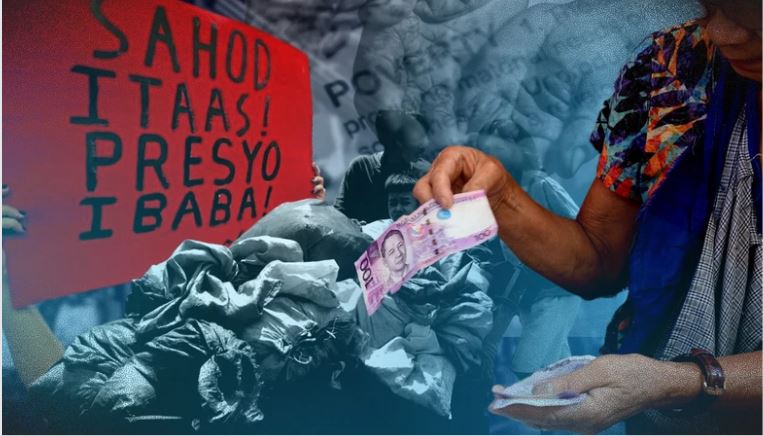
On April 11-12, 2024, at the Mary Help of Christians House of Spirituality, Batulao, Nasugbu, Batangas, the FIN Provincial Economer’s Office held a workshop on Compensation Analysis among the Human Resources Officers of its settings, to prepare the FIN Province on its response to the “surprise” legislative agenda of the Philippine government to enact a law to increase across-the-board the existing minimum wage by at least PhP100.00 per day.
Senate Bill 2534, “PhP100 Daily Minimum Wage Increase Act of 2023,” has been passed on third and final reading on February 19, 2024, and twin bills, House Bill 4898, “Instituting a National Minimum Wage Based on the Family Living Wage” and House Bill 7568, “PhP750 Across-the-Board Wage Increase for Private Sector Workers,” are being shepherded at the House of Representatives.
Considered at 26 working days per month, this means a PhP2,600.00 per month increase to the existing minimum wage. Including the thirteenth month bonus, this amounts to a total of PhP33,800.00 at the end of the year for each wage earner. Barring that it may be arbitrary and politically calculated, the initiative, a hefty rise in the minimum wage – at this time – needs to bear on the capacity to pay of the various enterprises to be affected, i.e., those with employees numbering more than ten (10), and those with capitalization of at least PhP3,000,000.00.
In countries that have succeeded to improve the welfare of their workers, the minimum wage is largely designed: (a) “to protect the most unskilled workers”; and, (b) “to help regulate [it] for the benefit of the youngest and new entrants to the labor force”. The present Philippine minimum wage rate is higher than in Thailand and Vietnam. Should this law be passed, the Philippine minimum wage rate will become much higher than in these countries, whose per capita Gross Domestic Product (GDP) and labor productivity are higher.

The Gustav Ranis Mission, some 50 years ago, was a unique mission of experts from the International Labor Organization (ILO) that was specifically sought by the Philippine government to study its problems on wage and employment issues. The Mission’s wisdom on “Sharing in Development: A Program of Employment, Equity and Growth for the Philippines” (International Labor Office, Geneva, 1974) continues to echo:
“The minimum wage cannot and should not be looked upon as an effective instrument for determining the general level of money wages. Wage policy should have an adaptive character, following and adjusting rather than attempting to lead and control. … The limited role for government intervention in wage determination is … founded on the conviction that, in a predominantly private enterprise economy, the proper function of Government is to provide a favorable environment for the development and operation of effective labor markets and healthy collective bargaining.”
Government intervention in wage setting and in the labor market will have adverse effects on the national and local economies as it will increase inflation, pull up interest rates, and miss assisting the needy pockets of the Philippine economy.
1. It will increase inflation. The wage increase will result in higher prices of goods, as an additional across-the-board wage increase will push firms to charge higher prices.
The subsequent wage-price spiral will erode the people’s purchasing power, causing widespread demands for future rounds of wage hikes.
2. It will raise interest rates. With inflation jumping, the Bangko Sentral ng Pilipinas will cure the situation by hiking interest rates to mop up “excess” liquidity in the market. This will result in people shelling out more to pay for housing, car loans, and credit card charges. Increased interest rates will force companies to reduce investments and reduce employment.
3. It will not cover the informal sector. Seasonal workers, fishermen, gig economy workers, and market vendors will suffer from the inflationary impact of legislated wage increases. The bills also do not consider the different employment situations across different regions.
